At Atos, our aim is not only to provide a range of clinically backed products but to ensure all patients on Atos Care receive all the support they need. As part of this, we provide a complementary specialist nursing service, delivered by Head and Neck Specialist Nurses. Support is available via telephone, email, and text, with face-to-face home visits offered in selected regions.
This case example, shared by one of our field nurses, illustrates how targeted nursing intervention can support the management of complex peristomal skin complications following laryngectomy. Peristomal skin breakdown is a common and clinically significant issue, with implications for device adherence, communication, and patient quality of life. Early intervention and structured care can significantly improve outcomes.
Clinical presentation
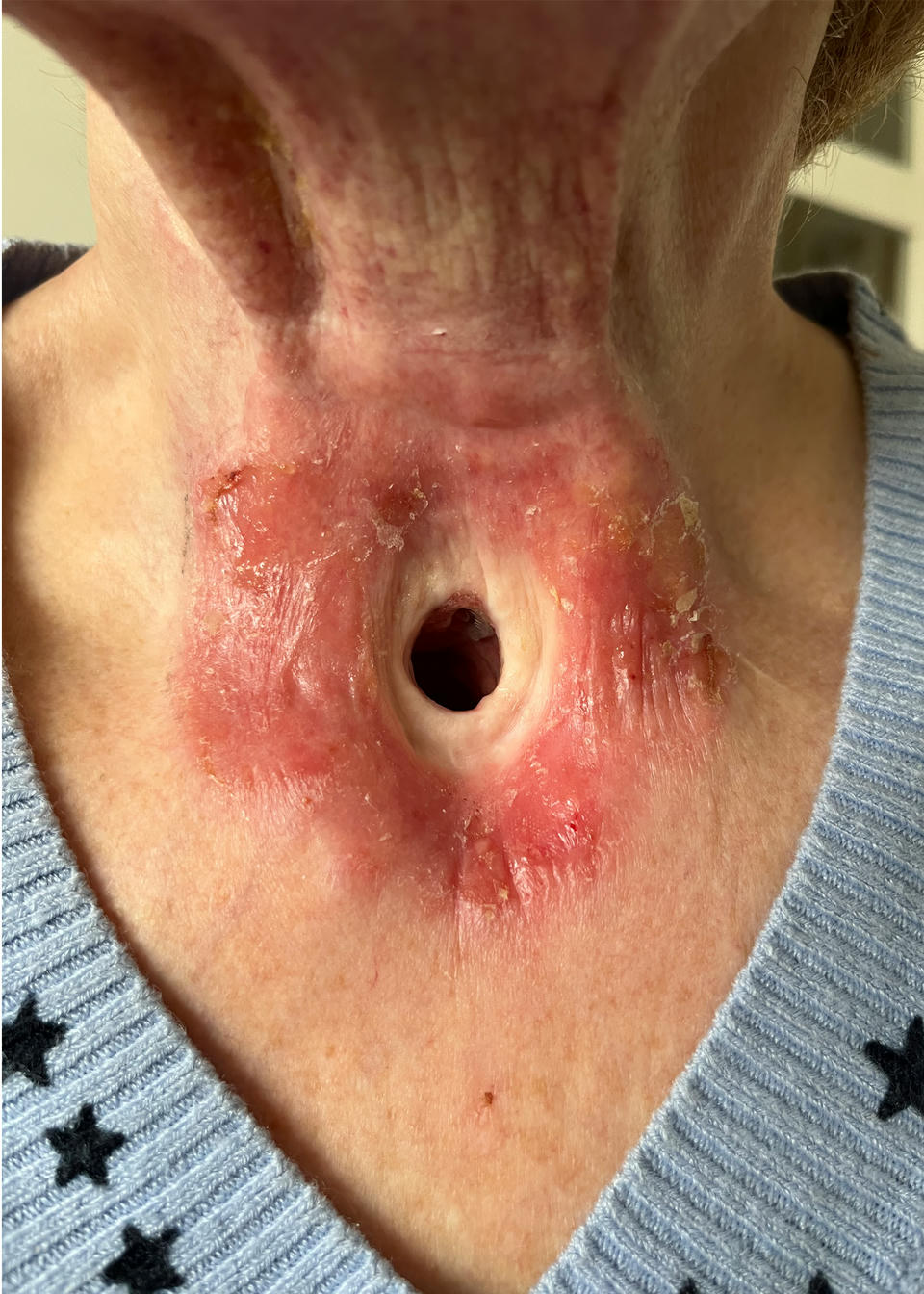
A laryngectomy patient presented with significant peristomal skin damage, described by the patient as “very bad.” Symptoms included erythema, pain, irritation, and compromised skin integrity, resulting in poor adhesion of baseplates. This directly affected the patient’s ability to achieve reliable hands-free voicing, contributing to distress, reduced confidence, and loss of independence.
Atos nursing intervention
Over a series of six visits, a structured, individualised care plan was implemented with the goals of restoring skin integrity, improving comfort, and enabling safe reintroduction of voicing aids.
Key components of the intervention included:
- Comprehensive assessment:
Initial evaluation identified that the existing skincare regimen was insufficient for the severity of skin breakdown. - Provision of appropriate supplies:
Products were introduced to support wound healing and skin protection, including saline, gauze, and medical-grade honey cream. A Provox Life Night baseplate was supplied to enable limited voicing while minimising further skin trauma. - Multidisciplinary collaboration:
Close liaison with the hospital Speech and Language Therapy (SLT) team ensured a coordinated approach to rehabilitation and device management. - Device optimisation:
Alternative devices, including a Larybutton and Larytube, were trialled to support voicing. These were discontinued where tolerance was poor, demonstrating the need for patient-specific adaptation. - Structured skincare protocol:
A revised cleansing and skincare regimen was introduced, tailored to the patient’s clinical needs and skin condition. This included a structured cleansing routine using mild, fragrance‑free soap, hydrocortisone cream, and later medical-grade honey cream. The patient and Nurse worked together to agree on a protocol that fitted into the patient's lifestyle, if the approach is patient-specific, the compliance rates increase. - Education and behavioural guidance:
The patient was advised on allowing adequate healing time and on the temporary avoidance of adhesives where clinically indicated. - Gradual reintroduction of baseplates:
As skin integrity improved, baseplates were reintroduced in a controlled manner to support functional voicing without compromising skin health.
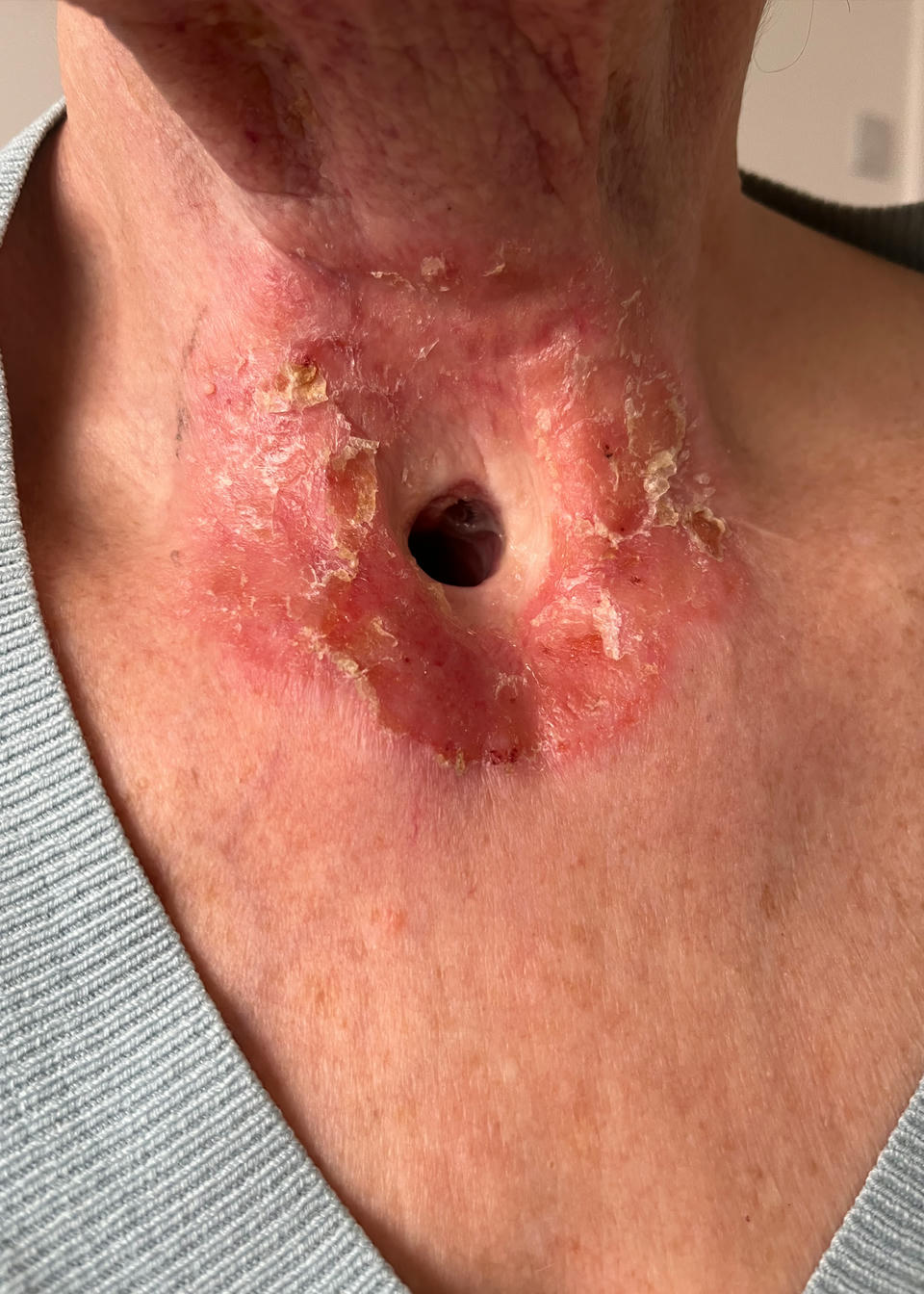
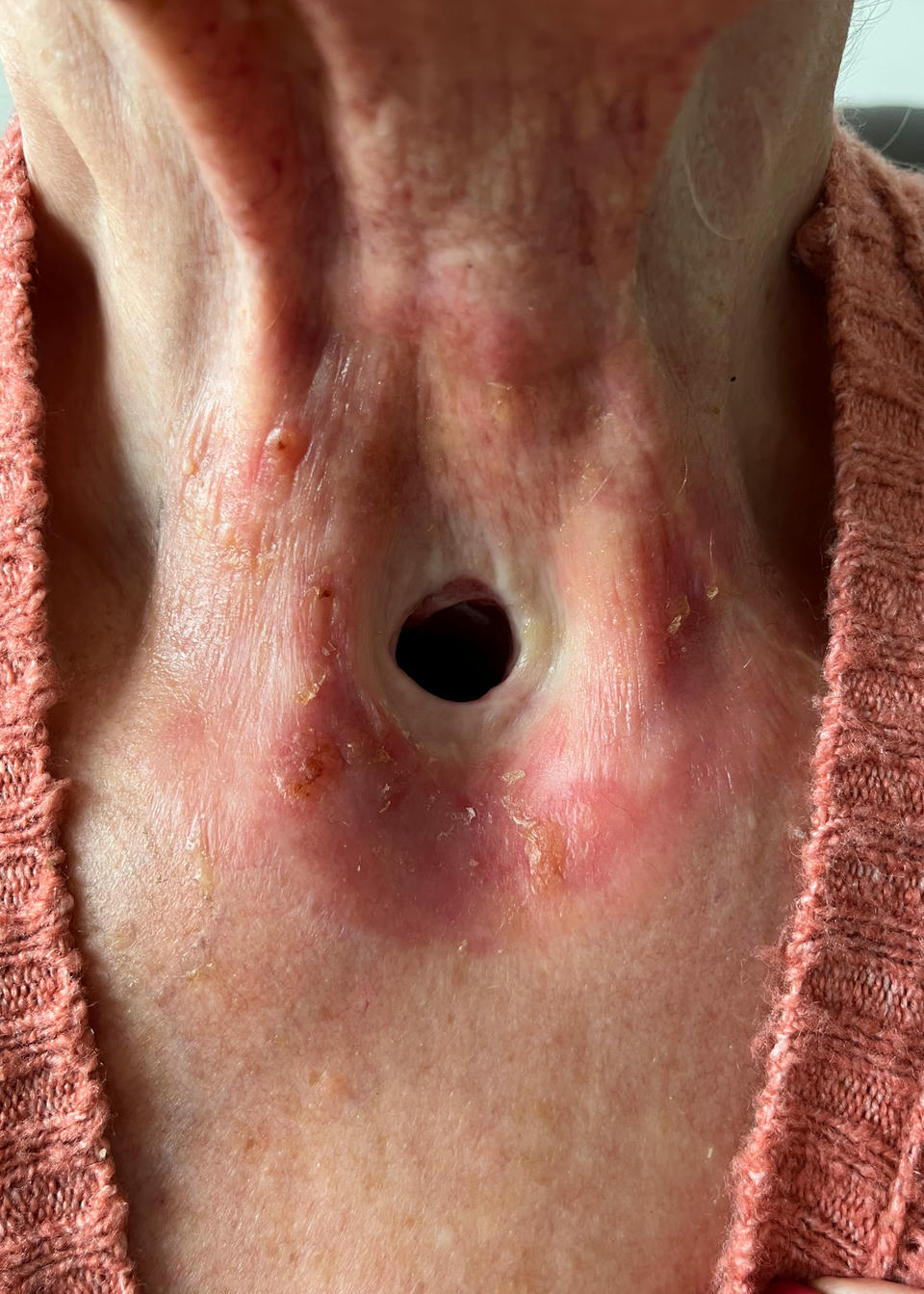
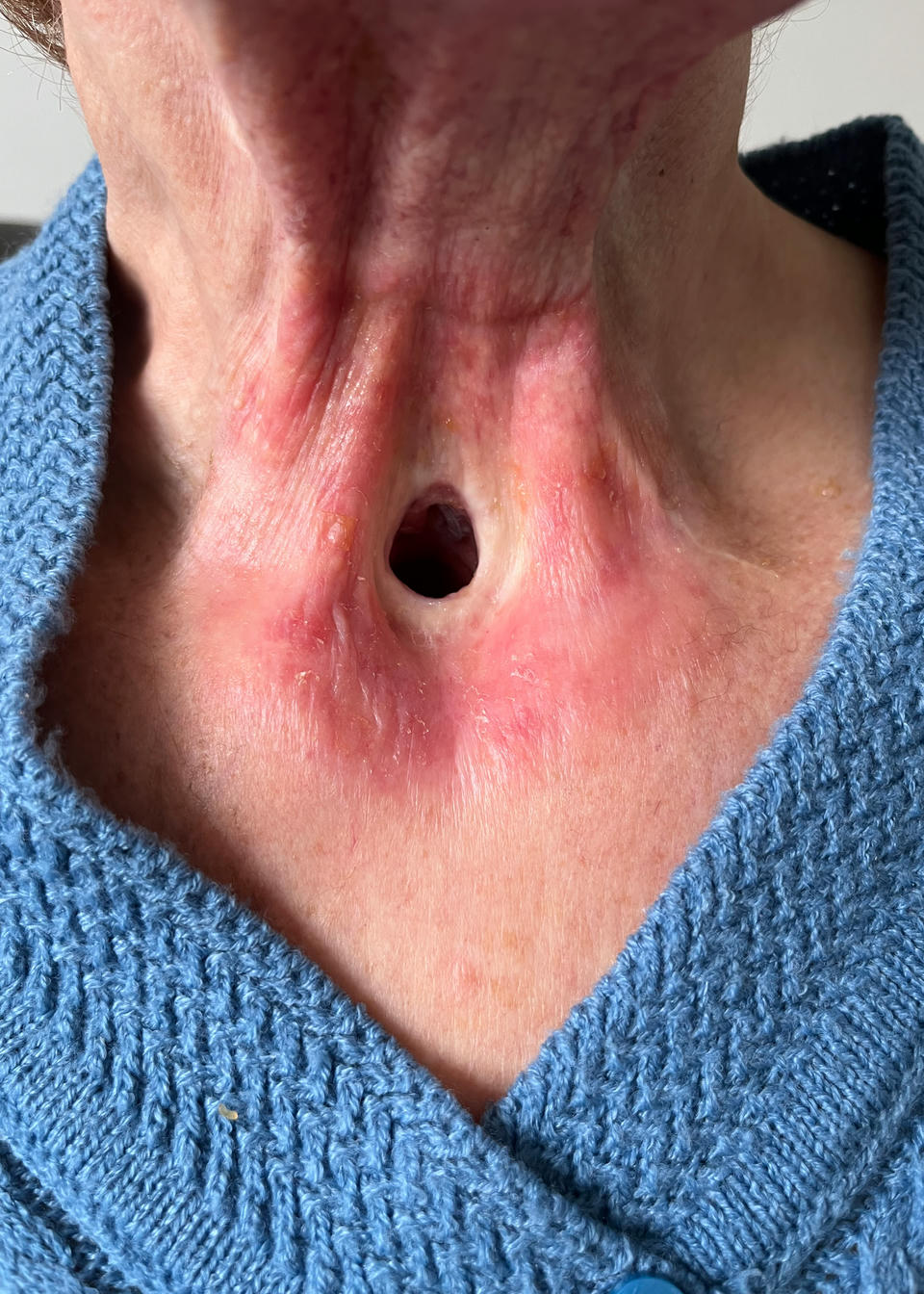
Skin condition was monitored closely with 1 to 2 weeks between each visit to ensure appropriate response to treatment and to minimise the risk of further complications.
Outcomes
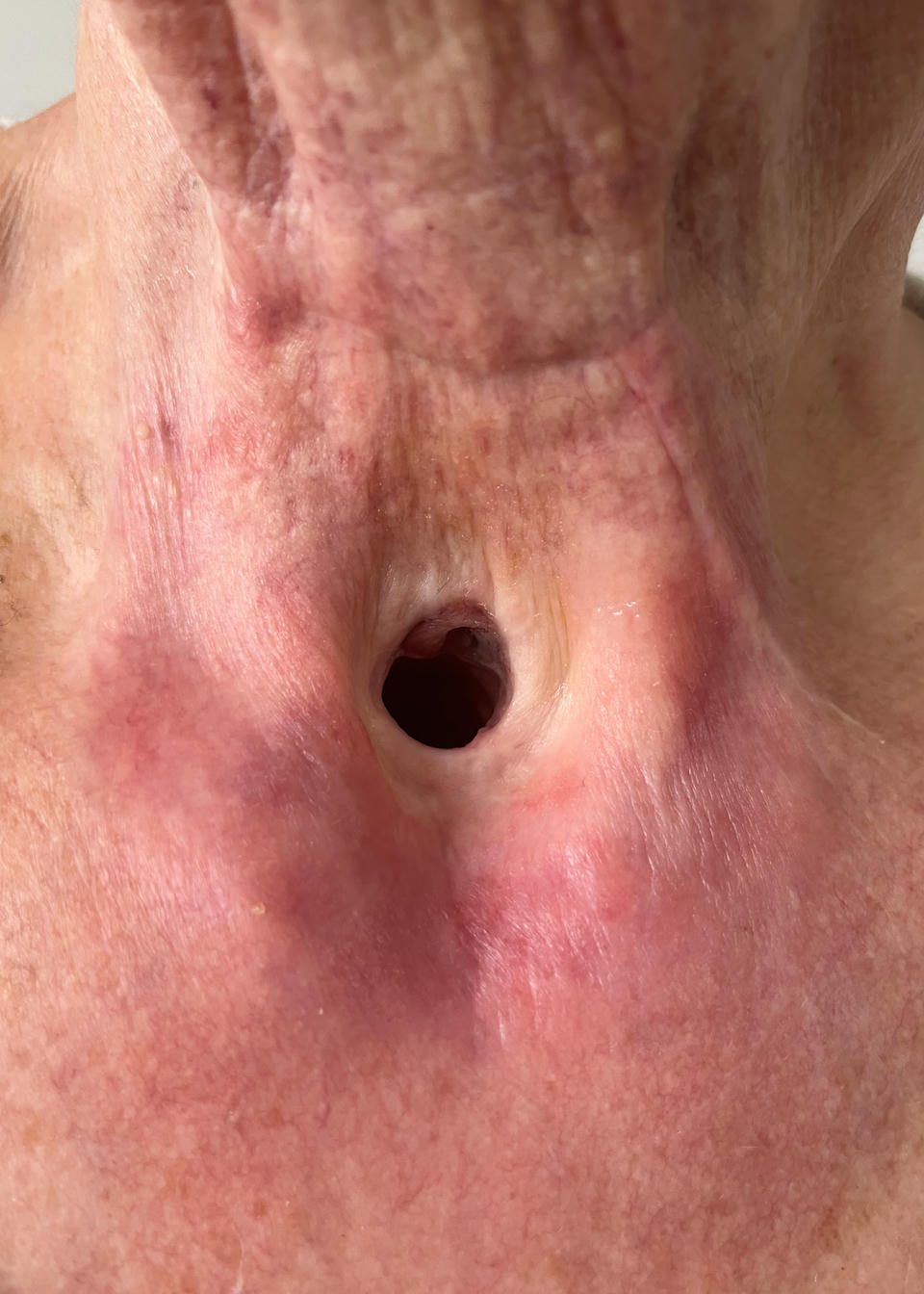
The patient demonstrated significant clinical improvement, including:
- Reduction in inflammation and irritation
- Restoration of healthier peristomal skin
- Improved tolerance of cleansing and topical treatments
- Successful reintroduction of baseplates
Importantly, these clinical gains translated into meaningful functional and psychosocial outcomes. The patient reported increased confidence, reduced distress, and a return to more consistent voicing. Engagement in self-care also improved. Patient-reported feedback indicated a marked improvement in skin condition (“skin improved ++”).
Service value
This case highlights the importance of specialist nursing input in managing peristomal complications and supporting rehabilitation following laryngectomy. Atos Care’s service model is designed to complement existing clinical pathways and includes:
- Dedicated point of contact:
Patients are supported by a named representative to facilitate continuity of care, product access, and service navigation. - Specialist nursing team:
Head and Neck Nurses provide expert advice and clinical support remotely or in person (regional availability dependent). - Education and engagement:
Ongoing patient education is supported through events, digital resources, and shared learning opportunities. - Integrated support approach:
Collaboration with local clinical teams, including SLT services, helps ensure consistent and patient-centred care.